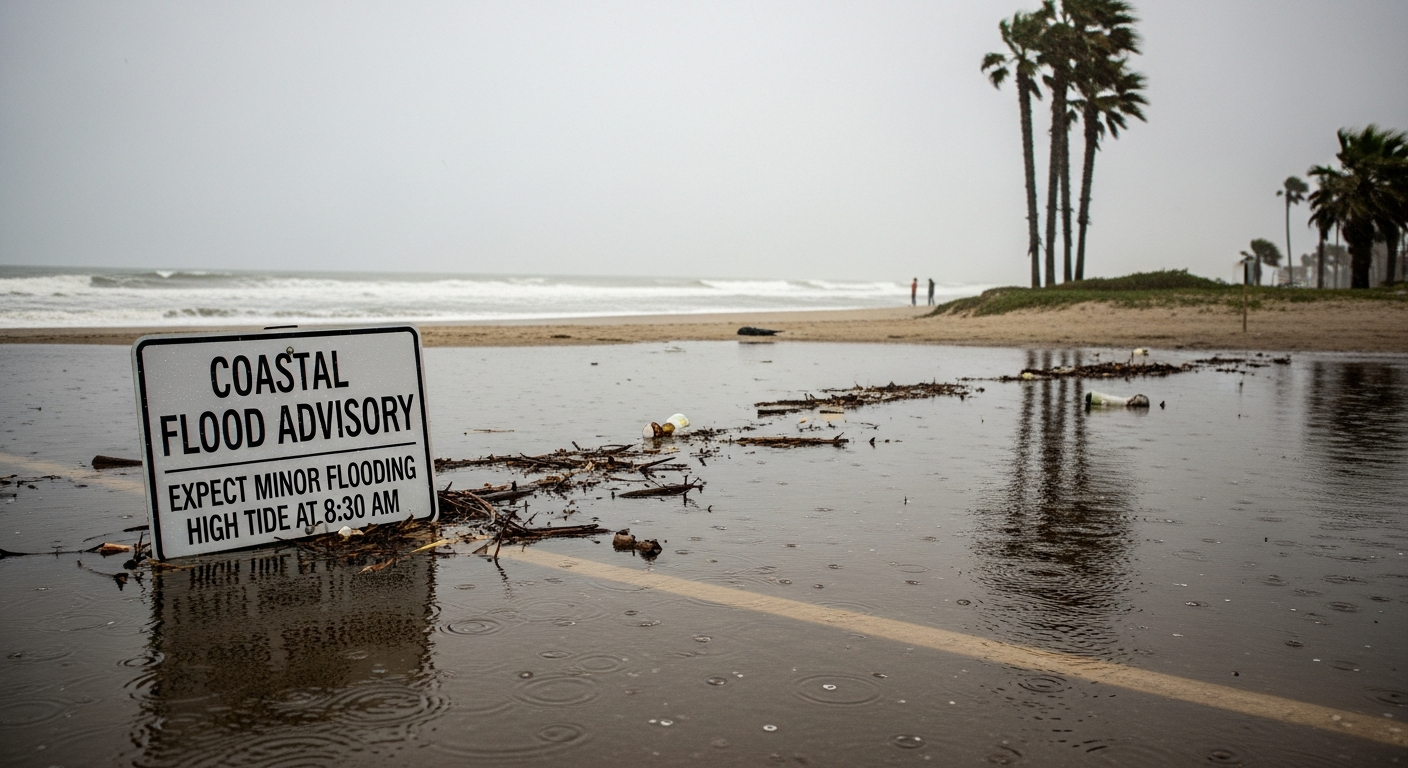
Coastal flooding is a natural hazard that affects millions of people living near coastlines worldwide. From minor inundation of beaches to severe flooding of low-lying areas, the risks can be significant. One of the key ways authorities communicate potential coastal flooding is through a coastal flood advisory. Understanding what this advisory means, how it is issued, and how to respond can help protect lives and property.
What is a Coastal Flood Advisory
A coastal flood advisory is a public notification issued by meteorological or emergency management agencies to alert residents about expected minor coastal flooding. Unlike more severe warnings, an advisory generally indicates that flooding is likely to be inconvenient but not life-threatening. It often affects beaches, roadways, and low-lying areas near the coast. Coastal flood advisories are commonly issued in areas prone to tidal surges, strong winds, or heavy rainfall that could temporarily raise water levels.
The purpose of a coastal flood advisory is to raise awareness so that residents and local authorities can take precautionary measures. It also serves as a tool for emergency services to prepare resources, such as sandbags and evacuation plans, even if the flood is expected to be minor.
Causes of Coastal Flooding
Coastal flooding can occur due to several natural phenomena. One of the most common causes is a storm surge, which happens when strong winds from storms or hurricanes push seawater toward the shore. Other causes include high tides, especially during full or new moons when tidal ranges are higher, and heavy rainfall, which can overwhelm drainage systems and cause water to accumulate along the coast.
Climate change has made coastal flooding more frequent and severe. Rising sea levels increase the baseline water level, making even minor storms capable of causing flooding. Additionally, coastal erosion reduces natural barriers like dunes and marshlands, leaving communities more vulnerable.
How Coastal Flood Advisories Are Issued
Coastal flood advisories are typically issued by national weather agencies such as the National Weather Service (NWS) in the United States. These advisories are based on detailed forecasts that combine data from satellites, weather radars, tide gauges, and computer models. When meteorologists predict that water levels will reach a threshold capable of causing minor flooding, they issue a coastal flood advisory for the affected region.
The advisory will specify the expected timing, location, and severity of the flood. It may also include guidance on precautions residents should take, such as avoiding low-lying roads or securing outdoor property.
Areas Most at Risk
Certain areas are more prone to coastal flooding than others. Low-lying coastal communities, especially those near estuaries or barrier islands, are at high risk. Urban areas with inadequate drainage systems may also experience flooding even with relatively minor water level increases. In addition, regions with eroded shorelines or weakened natural barriers like dunes and wetlands are more vulnerable.
Understanding the geography of your area is essential in assessing the potential impact of a coastal flood advisory. Residents should be familiar with flood zones, evacuation routes, and safe locations that are elevated above expected water levels.
Preparing for a Coastal Flood Advisory
Being proactive is key to minimizing the impact of coastal flooding. When a coastal flood advisory is issued, residents should start by monitoring local weather updates and tide information. Securing outdoor furniture, electrical equipment, and vehicles can prevent damage during minor floods. Communities should also have sandbags or other flood-prevention tools ready, especially in areas prone to repeated flooding.
Emergency kits containing essentials such as water, non-perishable food, first-aid supplies, flashlights, and batteries are recommended for all households in flood-prone areas. Preparing a family communication plan ensures everyone knows how to stay in touch and where to meet if evacuation becomes necessary.
Impacts of Coastal Flooding
Even minor flooding can have significant effects. Roads may become impassable, businesses may experience interruptions, and erosion may damage beaches and infrastructure. Floodwater can also contaminate drinking water sources and lead to health hazards if not managed properly.
For local governments, coastal flood advisories allow time to deploy resources, clear drainage systems, and inform residents. Timely advisories reduce confusion and minimize property damage and public safety risks.
Safety Measures During a Coastal Flood Advisory
When a coastal flood advisory is active, safety should be a top priority. Residents should avoid walking or driving through floodwaters, as even shallow water can be hazardous. Electrical hazards, hidden debris, and strong currents pose risks that are often underestimated. Keeping emergency contacts handy and listening to local news updates ensures you have accurate and timely information.
It’s also advisable to move valuable possessions to higher ground, secure boats and docks, and avoid unnecessary travel along the coast. Schools, businesses, and public transportation services may adjust schedules based on flood predictions, so staying informed is critical.
After a Coastal Flood Advisory
Once the advisory is lifted, residents should assess any damage carefully. Avoid returning to flooded areas until local authorities confirm it is safe. Flooded roads, weakened structures, and contaminated water can remain dangerous even after water levels recede.
Cleaning up flood-affected areas involves removing debris, disinfecting surfaces, and checking for electrical hazards. Residents should report damage to insurance companies and local authorities to facilitate recovery and support future preparedness efforts.
Importance of Awareness and Education
Understanding what a coastal flood advisory means and how to respond is crucial for anyone living near the coast. Awareness campaigns, community workshops, and school programs can educate residents about flood risks, emergency procedures, and the importance of early action. Education empowers communities to act quickly and reduce the overall impact of coastal flooding.
Technological Tools and Innovations
Modern technology has greatly improved flood forecasting and public awareness. Tide sensors, satellite imagery, and predictive models allow for more accurate advisories. Mobile apps and automated alert systems can notify residents immediately when a coastal flood advisory is issued. Social media platforms also play a role in spreading awareness quickly to a broader audience, ensuring that even those outside traditional communication channels receive timely information.
Challenges in Coastal Flood Management
Despite technological advancements, managing coastal flooding remains a challenge. Rapid urbanization, climate change, and inadequate infrastructure contribute to the growing risk. Ensuring that advisories reach all residents, including those without internet access or mobile devices, is essential. Local governments must balance emergency response, infrastructure investment, and public education to effectively reduce risks.
Future of Coastal Flood Advisories
As climate change accelerates and sea levels rise, the importance of coastal flood advisories will continue to grow. More precise forecasting methods, combined with community engagement, will be crucial in protecting vulnerable populations. Innovations like automated flood barriers, resilient urban planning, and enhanced early warning systems are likely to shape the future of coastal flood management.
Frequently Asked Questions About Coastal Flood Advisories
What is the difference between a coastal flood advisory and a warning?
A coastal flood advisory indicates minor flooding that is generally not life-threatening, whereas a warning signals more severe flooding that poses a significant risk to life and property.
How often are coastal flood advisories issued?
Coastal flood advisories are issued as needed, usually when forecasts predict minor flooding within a specific timeframe. The frequency depends on local weather conditions, tides, and storms.
Should I evacuate during a coastal flood advisory?
Evacuation is typically not required for a coastal flood advisory. However, residents should follow precautionary measures, avoid flood-prone areas, and stay informed about any changes in conditions.
Can coastal flooding affect inland areas?
Yes, flooding from tides, storm surges, and heavy rainfall can extend inland, especially in low-lying areas or regions with poor drainage systems.
How can I prepare for coastal flooding in advance?
Preparation includes monitoring weather updates, securing property, creating an emergency kit, knowing evacuation routes, and having a family communication plan.